
Best Automation Tools for Lead Generation and Data Management in 2025
Discover how automation tools revolutionize lead generation, boost data accuracy, and grow your website traffic in 2025.
Introduction: Why Automation Is the Future of Lead Generation
In 2025, businesses that rely on manual lead generation are already falling behind. Modern marketing isn’t just about finding leads — it’s about finding qualified leads quickly, managing them efficiently, and nurturing them smartly.
Automation has completely reshaped how marketers and agencies operate. From discovering leads on LinkedIn to nurturing them via personalized email campaigns, these tools make everything faster, smarter, and more precise.
If you’re running a digital agency, a B2B marketing business, or managing sales operations, using the right automation tools can:
- Increase your lead conversion rate
- Save hundreds of work hours
- Improve data accuracy and management
- Boost ROI through efficient workflows
In this article, we’ll explore the best automation tools for lead generation and data management in 2025, how they work, and why integrating them into your marketing strategy is essential for traffic growth and revenue.
The Rising Need for Automation in Lead Generation
Lead generation in 2025 looks very different than it did just a few years ago. Here’s why automation is now essential, not optional:
1. Manual Lead Generation Is Too Slow
With millions of businesses competing online, manually researching prospects and managing outreach campaigns is inefficient and error-prone.
2. Data Volume Has Exploded
From social media profiles to company websites and online directories — the sheer amount of data available is overwhelming. Automation helps you collect, clean, and categorize it in seconds.
3. Personalized Marketing Requires Data Accuracy
Automated tools help you segment and target leads based on behavior, interests, and engagement — which is key to higher conversion rates.
4. Traffic Growth Through Smarter Targeting
Automation improves how your content and campaigns reach potential customers. When you target precisely, you attract qualified website traffic — the kind that actually converts.
Top Benefits of Using Automation Tools for Lead Generation
Businesses that adopt automation tools for lead generation experience measurable improvements in both efficiency and revenue. Here’s how automation benefits your marketing efforts:
| Benefit | Description |
|---|---|
| Time Savings | Tools handle repetitive data collection and email outreach automatically. |
| Higher Accuracy | Automation reduces human error in data entry and verification. |
| Better Targeting | Segment leads by criteria like location, job title, or intent. |
| Improved ROI | Focus marketing budgets on leads most likely to convert. |
| Consistent Follow-Up | Automated sequences nurture leads 24/7 without missing touchpoints. |
For marketers and agency owners, this means one thing: you spend less time managing leads — and more time closing deals.
Best Automation Tools for Lead Generation in 2025
🧠 1. HubSpot — All-in-One Marketing Automation Platform
Best for: Businesses that want a full CRM + automation suite.
Why It’s Great: HubSpot remains one of the most trusted platforms for automating lead capture, nurturing, and data tracking. You can integrate landing pages, email campaigns, and contact management into one unified dashboard.
- Smart lead scoring and segmentation
- Automated email and workflow campaigns
- Integrated CRM and pipeline tracking
- Analytics dashboards for performance insights
Why It Matters for Traffic Growth: HubSpot helps align your marketing and sales teams so your campaigns reach the right people — increasing both qualified traffic and lead conversions.
🤖 2. LinkedIn Sales Navigator + Phantombuster
Best for: B2B marketers and agencies targeting LinkedIn prospects.
Why It’s Great: LinkedIn is a goldmine for B2B leads, and Sales Navigator combined with Phantombuster automates profile visits, connection requests, and data extraction.
- Advanced LinkedIn search filters for decision-makers
- Automated profile scraping and list building
- Direct LinkedIn message automation
- Data export to CRMs or Google Sheets
Why It Matters: This automation combo helps you generate qualified B2B leads at scale without hours of manual LinkedIn prospecting.
At InfoNavigators, our LinkedIn Lead Generation Services utilize similar automation workflows — combining precision research with verified contact data to help clients connect with real decision-makers faster.
💌 3. Apollo.io
Best for: Building verified email lists and managing outreach.
Why It’s Great: Apollo.io automates the process of finding business contacts, verifying emails, and sending personalized outreach campaigns.
- Access to over 275M verified contacts
- AI-powered lead recommendations
- Automated email sequencing
- Integration with CRMs like HubSpot and Salesforce
Benefit for Traffic: With verified outreach and smart lead targeting, Apollo helps you drive more qualified visitors to your website — not just random traffic.

📊 4. ZoomInfo
Best for: Enterprise-level lead generation and intent data.
Why It’s Great: ZoomInfo provides detailed company and contact intelligence, helping sales and marketing teams identify leads showing active buying signals.
- Real-time intent tracking
- Firmographic and technographic data
- Integration with major CRMs
- Automated lead enrichment
Why It Matters: By understanding who’s ready to buy, your campaigns focus on prospects more likely to engage — boosting conversions and qualified traffic.

⚙️ 5. Lemlist
Best for: Email outreach automation and personalization.
Why It’s Great: Lemlist automates cold email campaigns with advanced personalization (like adding custom images or text). It improves response rates and helps build relationships.
- Automated follow-ups
- AI-based deliverability optimization
- Smart personalization options
- Performance analytics
Why It’s Important: Lemlist users report up to 3x higher reply rates, which means better lead engagement and more visits to your landing pages.

🧩 6. Zapier
Best for: Integrating automation workflows between multiple apps.
Why It’s Great: Zapier connects over 6,000 tools, allowing marketers to automate repetitive workflows like transferring new leads from a form into a CRM or spreadsheet.
- Multi-step workflow automation
- Custom triggers and actions
- No coding required
- Integrates with Slack, Gmail, HubSpot, and more
Example Use Case: When someone fills out your website form, Zapier can automatically add their info to HubSpot, send a welcome email, and notify your sales team on Slack — saving time and reducing manual work.

🧮 7. Clay
Best for: Smart lead enrichment and personalization.
Why It’s Great: Clay uses AI to research and enrich leads from LinkedIn, websites, and databases, adding details like company size, tech stack, and social media activity.
- Automated lead research
- Custom data filters
- Real-time enrichment
- Seamless integration with email tools
Why It Matters for Conversion: The more data you have on each lead, the more personalized your outreach — leading to higher click-through and conversion rates.

💼 8. Pipedrive
Best for: Sales pipeline automation and deal tracking.
Why It’s Great: Pipedrive simplifies how sales teams manage leads through every stage of the funnel, automating follow-ups and task reminders.
- Visual sales pipeline
- Workflow automation
- Lead tracking and scoring
- Integration with email and chat tools
Traffic Impact: Automating pipeline management ensures faster response times — improving customer experience and repeat engagement on your site.
📧 9. Mailchimp
Best for: Automated email marketing campaigns.
Why It’s Great: Mailchimp remains a top choice for creating automated email funnels that nurture leads effectively — turning cold traffic into loyal subscribers.
- Pre-built automation workflows
- Audience segmentation
- Predictive analytics
- A/B testing tools
Why It Matters: Automated nurturing means every new visitor gets the right content at the right time — improving lead retention and driving more recurring website visits.
🧠 10. ChatGPT + Notion AI (for Smart Research Automation)
Best for: Data organization, research automation, and content workflow.
Why It’s Great: Combining AI assistants like ChatGPT with tools like Notion helps automate research, note-taking, and campaign planning.
- Automated data summarization
- Lead research assistance
- Campaign documentation
- Task reminders and workflow templates
Why It Matters: This integration boosts efficiency and keeps your team focused on strategy rather than manual admin work.
How Automation Boosts Website Traffic and Conversions
Automation tools don’t just make processes easier — they directly impact website traffic and lead conversions. Here’s how:
Faster Lead Response = Higher Conversion
Automation ensures no lead waits for a reply — increasing your chances of closing.
Better Targeting = Quality Traffic
Automated lead scoring and segmentation ensure you attract visitors interested in your service, not random clicks.
Continuous Nurturing = Repeat Visits
Automated email and remarketing campaigns keep prospects engaged and returning to your site.
Accurate Data = Smart Decisions
Clean, verified data improves campaign targeting and SEO alignment — leading to sustainable organic traffic.
Automation and Data Management: The Perfect Pair
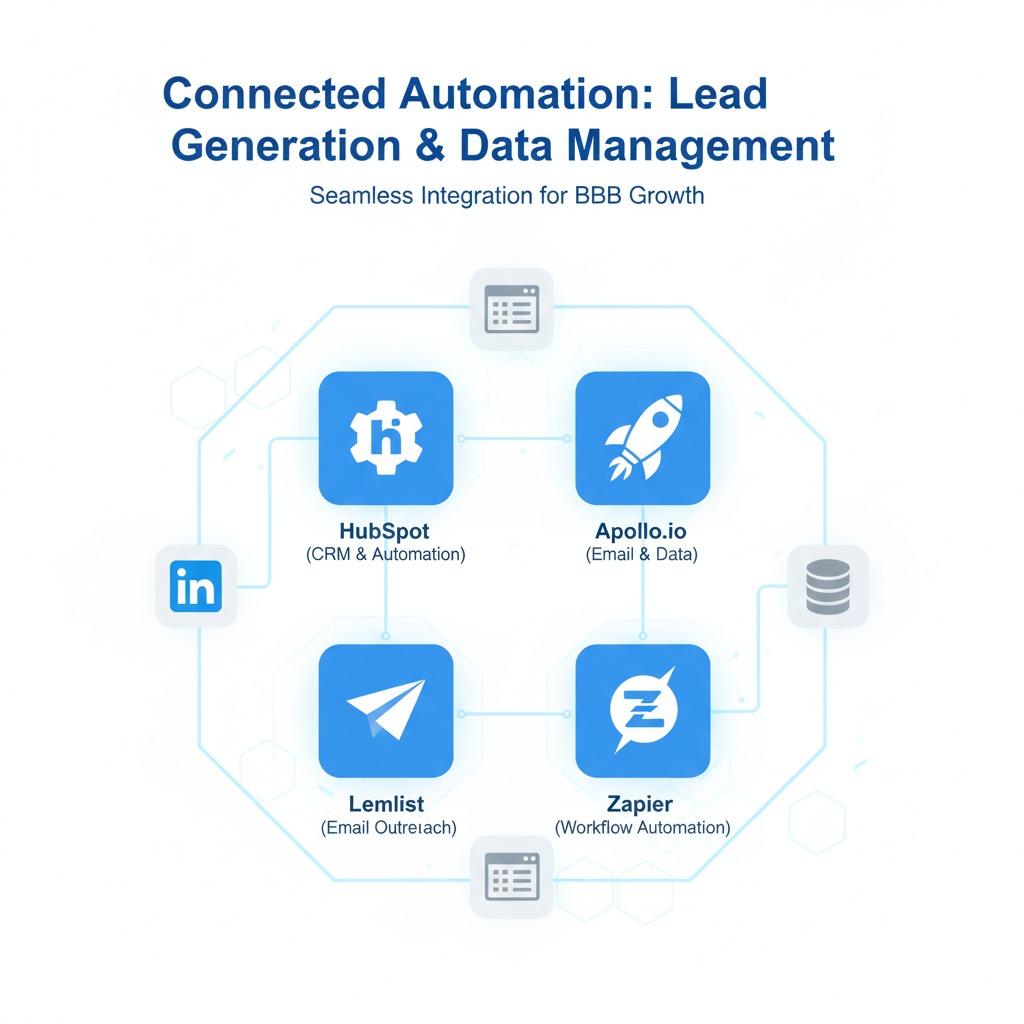
Lead generation automation is powerful, but it’s only as good as your data management system. Poor data leads to bad targeting, wasted ads, and lost opportunities. That’s why pairing automation with data verification and cleansing tools is crucial.
At InfoNavigators, we specialize in:
- Verified B2B contact list building
- Data cleansing and validation
- Lead segmentation and enrichment
- Automation workflow setup for agencies
By combining automation with accurate data, you ensure that your campaigns run smoothly and generate real, qualified leads — not noise.